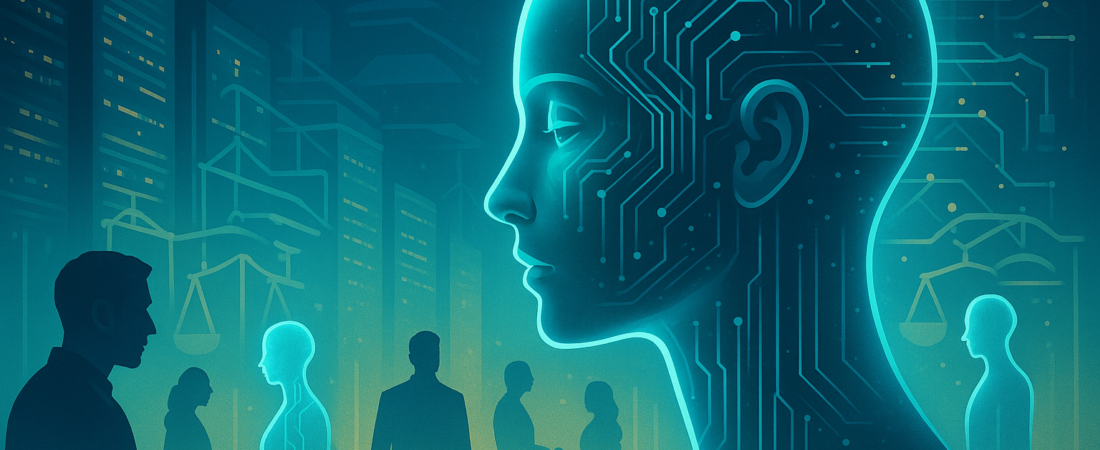
The collision between high-tech algorithms and humanistic inquiry isn’t just an academic exercise anymore—it’s a survival strategy. While big tech firms race to scale compute, the University of Mary Washington’s Center for AI and the Liberal Arts (CAILA) is tackling the messier questions of deepfake law, social restructuring, and the environmental cost of the cloud. If you think AI is just about coding, you’re missing the forest for the silicon trees.
Quick Stats: CAILA Fall 2026
| Attribute | Details |
| :— | :— |
| Focus Area | Ethics, Law, Social Impact, and Infrastructure |
| Difficulty | Intermediate (Requires interest in policy and ethics) |
| Commitment | 4 Key Public Events (Sept – Nov) |
| Key Themes | Deepfakes, AI Companions, Data Centers, Social Restructuring |
The Why: Why a Liberal Arts Perspective Fixes Broken Tech
We’ve spent the last decade building tools first and asking questions later. That era is ending. The “move fast and break things” mantra has left us with a landscape of deepfakes that threaten civil rights and AI companions that blur the lines of student development.
CAILA’s fall lineup matters because it moves the conversation out of the developer sandbox and into the courtroom and the classroom. You should care because the regulations and social norms being debated at institutions like UMW today will become the compliance hurdles and ethical standards your business or school will face tomorrow. For instance, what happens when people don’t understand how AI works is a decline in critical thinking that academic institutions are now forced to address.
How to Engage: A Guide to the CAILA Fall Series
If you’re looking to sharpen your understanding of the AI-human interface, follow this roadmap to the upcoming sessions.
- Analyze Deepfake Regulation with Dr. Mary Anne Franks (Sept. 15): Attend the lecture at Seacobeck Hall to understand the legal intersection of technology and civil rights. Dr. Franks, a leading voice in intellectual property and law, will break down how we can regulate synthetic media without stifling free speech. As the technology becomes more accessible, tools like ZeroGPT’s AI Video Detector highlight the growing need for verification in a world of deepfakes.
- Evaluate the Role of AI Companions (Oct. 1): Watch the debate featuring Fairfax County Public Schools students. This isn’t just for educators; it’s for anyone tracking how the next generation interacts with “personality-driven” AI. Determine if these tools are educational aids or emotional crutches. This mirrors global shifts, such as China’s ambitious integration of artificial intelligence in education reform, which explores similar frontiers of student development.
- Map the Social Restructuring of AI (Oct. 21): Join Dr. Mona Sloane as she presents findings from her 2026 book, Predicted. This session focuses on how AI doesn’t just predict the future—it actively reshapes social life, from how we work to how we interact with our neighbors.
- Debate the Physicality of the Cloud (Nov. 18): Participate in the Braver Angels debate on data centers. We often treat AI as “ethereal,” but it requires massive physical infrastructure. This session forces a confrontation with the land use, energy consumption, and local impact of the hardware that powers the software.
💡 Pro-Tip: Don’t just show up for the lecture. Use the Braver Angels debate format as a blueprint for your own organization. It’s a highly structured method designed to reduce polarization—perfect for when your internal teams are fighting over AI implementation policies. Establishing a clear federal AI framework and local governance is becoming a prerequisite for responsible scaling.
The “Buyer’s Perspective”: Academic Rigor vs. Industry Hype
Most AI conferences are glorified sales pitches. They promise “unprecedented efficiency” while ignoring the legal and social debt being accrued. CAILA offers something different: a neutral ground.
Dr. Mary Anne Franks brings a “fearless speech” perspective that challenges the tech-libertarian status quo, while Dr. Mona Sloane provides the sociological data that product managers often ignore. The value proposition here isn’t a new prompt or a software plugin; it’s strategic foresight. Understanding the legal risks of deepfakes or the community pushback against data centers allows leaders to build more resilient, ethically sound projects. Compared to the echo chambers of X (formerly Twitter) or industry trade shows, this series provides the friction necessary for real critical thinking. This transition is vital as we see AI in academia shifting from simple detection toward deep literacy and innovation.
FAQ: What You Need to Know
Can the public attend these events, or are they just for UMW students?
These are public events. While CAILA encourages faculty to integrate them into their curricula, the schedule is designed to engage the broader community, including policymakers and tech professionals.
Why is the data center debate significant?
Data centers are the “factories” of the 21st century. In regions like Northern Virginia, their development creates a massive tension between economic growth and environmental/local community interests. This debate addresses the physical reality of AI that most users never see. As organizations scale, they must decide between local hardware or a monster AI data center stock to power their infrastructure.
What is an “AI Companion” in the context of the October debate?
AI companions refer to personalized chatbots (like Character.ai or specialized GPTs) that simulate friendship or coaching. The debate focuses on whether these tools hinder natural social development in students or serve as a new frontier for personalized learning.
Ethical Note: While these debates aim to provide clarity, current AI policy and ethical frameworks are still reactive and cannot fully predict the long-term cognitive effects of AI integration on human development. In some extreme cases, this uncertainty has led to drastic measures, such as the Norway AI ban in primary schools to protect cognitive development.