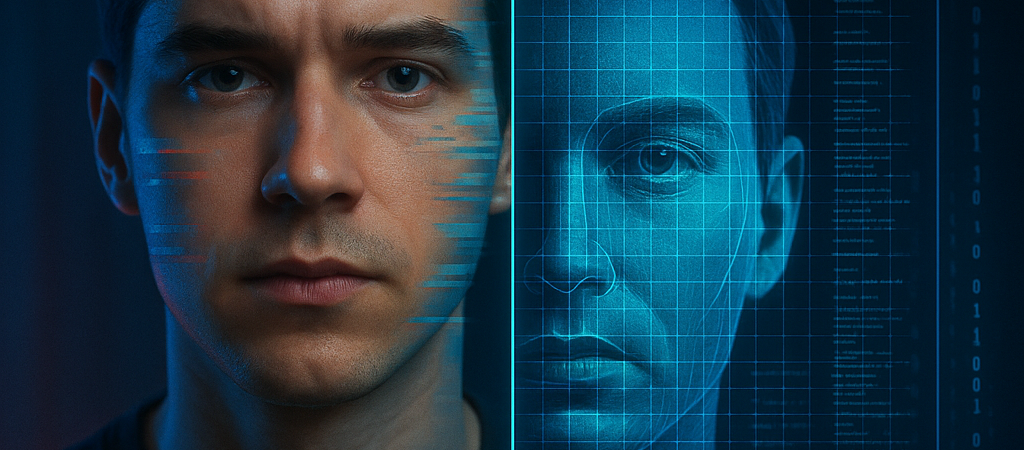
The digital “trust gap” just got a lot harder to bridge. As OpenAI’s Sora and Kling AI begin to blur the lines between reality and rendered pixels, the ability to spot a synthetic video with the naked eye is vanishing. ZeroGPT, once known primarily as the bane of lazy students and AI-reliant copywriters, is pivoting to meet this threat. By launching its new AI Video Detector, the company is attempting to close the loop on a multimodal ecosystem where text, images, and now moving visuals can all be manufactured at the touch of a button.
| Attribute | Details |
| :— | :— |
| Difficulty | Beginner (User-friendly interface) |
| Time Required | 1–3 minutes per scan |
| Tools Needed | ZeroGPT Web Platform, MP4/MOV files |
| Target Audience | Journalists, Educators, Cybersecurity Pros |
The Why: The High Stakes of Synthetic Motion
We’ve moved past the era of “glitchy” AI. Today’s generative video isn’t just about quirky memes; it’s about sophisticated deepfakes that can influence markets, swing elections, and ruin reputations.
Text detection was the first frontier, but video is the most persuasive medium we have. ZeroGPT’s expansion signifies a shift in the arms race: detection tools are no longer niche academic utilities—they are becoming essential infrastructure for digital literacy. If you can’t verify the source of a video, you can’t trust the information it conveys. What Happens When People Don’t Understand How AI Works underscores the dangers of this illiteracy, leading to declining critical thinking and societal biases. This tool aims to provide a “litmus test” for the eyes in an era where seeing is no longer believing.
How to Verify Your Media: A Tactical Guide
Using the new suite doesn’t require a degree in data science. Here is how to audit your content library:
- Segment Your Media: Don’t dump a full-length film into the tool. Identify specific clips—especially those involving human faces or complex physics—where AI typically leaves “digital fingerprints.”
- Upload to the Dedicated Module: Navigate to ZeroGPT’s specific video interface. The company maintains separate workflows for text and video to ensure the algorithms aren’t cross-contaminated by different data patterns. To understand how these platforms are evaluated, platforms like AIMomentz are providing open evaluation for image models using human preference data.
- Run the Heuristic Analysis: Initiate the scan. The engine looks for inconsistencies in frame-by-frame rendering, lighting artifacts, and unnatural motion gradients that characterize diffusion models.
- Cross-Reference with Metadata: Use the detection score alongside traditional verification methods, such as checking the file’s EXIF data and origin source.
💡 Pro-Tip: If you’re dealing with a suspected deepfake, pay close attention to the “Humanizer” distinction. ZeroGPT keeps its humanization tools and detection tools separate for a reason. Never use a humanizer on a file you are trying to verify; it will likely mask the very artifacts you need to detect.
The Buyer’s Perspective: Can It Actually Stop Sora?
ZeroGPT is entering a crowded but chaotic market. Competitors like RealityCheck and Hive have been in the space, but ZeroGPT’s brand recognition gives it a massive leg up with the general public.
The value proposition here is multimodal coverage. Most platforms force you to jump between different subscriptions for text and video. By centralizing detection, ZeroGPT offers a “one-stop-shop” for content moderation. However, there is a catch: detection is a cat-and-mouse game. As video generators get better at simulating “noise” and natural imperfections, detectors must work twice as hard to keep up. The Sora Era Is Ending, but the “Liar’s Dividend” Is Just Getting Started highlights how the era of “seeing is believing” is officially ending as synthetic content becomes ubiquitous. ZeroGPT’s current edge lies in its accessibility, but its long-term survival depends on how quickly its neural networks learn the specific tells of the newest video models.
FAQ
Does ZeroGPT’s video detector work on YouTube links?
Currently, the tool performs best with direct file uploads (MP4, MOV) to ensure the highest resolution for frame-by-frame analysis without platform-side compression artifacts.
Can it distinguish between AI-edited and AI-generated video?
It is designed to flag “synthetic characteristics.” A video with heavy AI filters might trigger a high probability score similar to a fully generated clip, as both contain non-human patterns. Many creators now use tools like the YouTube Reimagine AI tool to transform their shorts, making professional-grade detection even more vital.
Is the detection 100% accurate?
No. No detector on the market can claim absolute certainty. It should be used as a high-probability indicator, not a final verdict in legal or high-stakes scenarios. For those interested in the academic side of this tech, Substack’s partnership for AI text detection is another example of how the industry is trying to address liability through software.
Ethical Note/Limitation: While highly effective at spotting current-gen artifacts, this technology cannot definitively prove human authorship; it can only identify known patterns of machine generation.